


Adults can have tongue-tie, though many people with a visible frenulum have no trouble at all. The signs that matter most are limited tongue protrusion, trouble lifting the tongue to the roof of the mouth, a heart-shaped tip, and difficulty moving the tongue side to side. If these limit how you speak, eat, or keep your mouth clean, the next step is a functional evaluation.
TL;DR:
- Record specific movement limits, such as inability to lift the tongue or clear food, because clusters of functional problems justify asking for an exam.
- A clinician should test tongue protrusion, elevation, and lateral motion; a speech specialist can assess whether restriction causes speech difficulty rather than assuming it does.
- Frenotomy, frenuloplasty, and frenectomy are options, but speech gains vary, and evidence linking release to sleep apnea remains limited and mixed.
- After release, follow prescribed stretches and exercises consistently; the first one to three months shape scar formation and movement retraining.
Table of Contents
- How can you recognize tongue-tie in your own mouth?
- What effects do adults commonly report in daily life?
- What does a clinical evaluation involve?
- What treatment options exist for adults?
- What should recovery and rehab look like?
- When do your symptoms merit professional evaluation?
- Where can you get an adult evaluation and treatment near you?
- FAQ
- Sources
How can you recognize tongue-tie in your own mouth?
Adults with a restriction often describe what they can’t do rather than what they see. Cleveland Clinic notes that adults can have tongue-tie and that symptoms are often mechanical limitations, such as trouble licking or eating certain foods. Standing at a mirror with good light, look for these cues:
- A short, tight band of tissue under the tongue that pulls the tip down
- A heart-shaped or notched tongue tip when you stick it out
- Difficulty pushing the tongue past your lower teeth
- Trouble touching the tongue to the roof of your mouth with your mouth wide open
- Limited movement toward each corner of the mouth
Try each movement slowly and write down which one feels restricted, and how. Don’t pull, stretch, or cut anything under your tongue. Notes like “can’t lick my upper lip” or “tongue tip catches on lower teeth” give a clinician far more to work with than a photo.
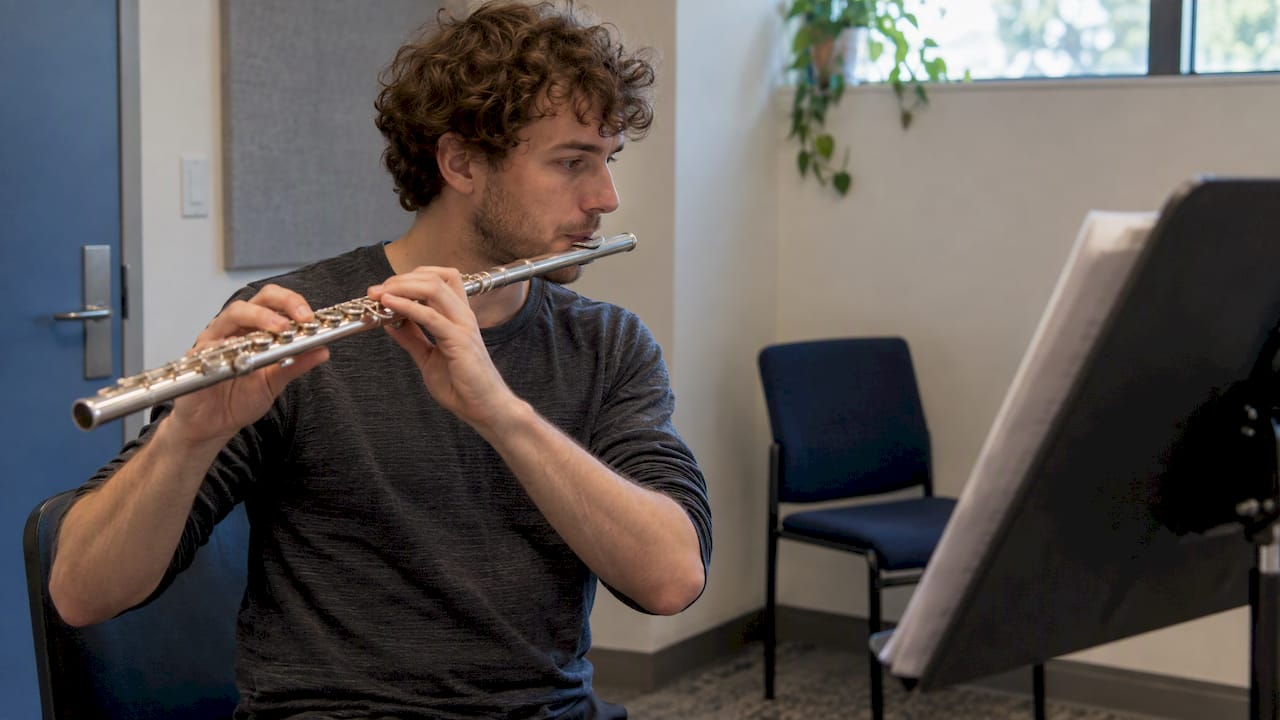
Everyday prompts count too: difficulty clearing food from your teeth, trouble with foods that demand tongue control such as ice cream, kissing, playing a wind instrument, or cuts and discomfort under the tongue. None of these proves tongue-tie on its own, but a cluster of them is a good reason to ask for an exam.
What effects do adults commonly report in daily life?
Tongue-tie is a mechanical limit, and the effects show up wherever the tongue has a job. A short list covers most of what adults describe:
- Speech: Sounds like t, d, z, s, th, n, and l can take more effort. Mayo Clinic notes the speech link is controversial and suggests a speech-language pathologist can help decide whether a tongue restriction is actually the cause.
- Oral hygiene: A tongue that can’t sweep food and saliva well may contribute to tooth decay or gingivitis. These problems are nonspecific, so they can have causes unrelated to tongue-tie.
- Jaw and neck: Some people compensate with extra muscle effort, which can show up as jaw, TMJ, or neck tension.
- Social and hobby activities: Kissing, playing wind instruments, and eating certain foods can feel awkward.
Be cautious about big claims. StatPearls calls links with speech disorders, jaw development, malocclusion, and gum recession unclear, and reports no consensus definition or treatment standard. Sleep apnea is another area where the evidence is still mixed. That is why we always start with your symptoms, not with how your frenulum looks.
What does a clinical evaluation involve?
Tongue-tie is typically diagnosed with a physical exam, according to Mayo Clinic’s diagnosis guidance. A good adult evaluation goes beyond appearance and follows steps like these:
- Health and symptom history. You describe what you struggle with, and the clinician notes how long it has been going on.
- Visual exam. The clinician checks the frenulum, tongue shape, and tongue tip.
- Functional movement testing. Protrusion, elevation, and side-to-side motion are checked and documented.
- Standardized measures. You may hear terms like TRMR, TRMD, or Kotlow’s free-tongue measurement, which relate tongue range of motion to function. A published adult study used TRMR-based measures before and after surgery.
- Referral if needed. A speech-language pathologist can assess speech or swallowing, and an ENT or oral surgeon may weigh in on structure.
Dentists with airway or myofunctional experience, ENTs, oral surgeons, and speech-language pathologists can all play a part. A functional evaluation can include movement testing as well as a visual exam. Our posterior tongue-tie checklist explains why function can tell a different story than appearance. For a broader look at how dental exams and referrals work, this dental education page is a useful reference.
What treatment options exist for adults?
When symptoms are real and bothersome, adults may be offered surgical options such as frenotomy or frenuloplasty:
- Frenotomy: The frenulum is simply cut.
- Frenuloplasty: The tissue is released and reshaped, usually under anesthesia with sutures to close the wound, per Mayo Clinic.
- Frenectomy: The frenulum is removed in part or in full.
Some dental practices offer laser release, including our laser frenectomy. Release is often paired with myofunctional therapy and sometimes speech therapy, since the tongue has to learn to use its new freedom.
Set expectations carefully. A small miofrenuloplasty case series reported improved tongue mobility, swallowing, and neck muscle tension, with uneventful healing. Speech gains varied: some patients improved, others changed little. Research on sleep apnea is also early; one thesis on myofunctional therapy with frenectomy found mixed results, and randomized data are limited. Release is not a guaranteed fix for every symptom.
What should recovery and rehab look like?
Early healing is usually mild: some soreness and bruising for several days, often managed with a short course of mild pain relievers. Frenuloplasty involves sutures, so its recovery can differ slightly from a simple release. The real work comes afterward, and the first 1–3 months matter most, because that window shapes scar formation and movement retraining. Our adult tongue tie rehab guide covers this in depth.
A typical rehab path looks like this:
- First days: Rest, eat soft foods, and follow your clinician’s aftercare instructions.
- After release: Begin the gentle tongue-tie stretches your clinician assigns.
- During recovery: Add guided myofunctional exercises to retrain lifting and lateral movement.
- Months 2–3: Work on tongue posture and function, then follow up to measure progress.
Pro Tip: Do the exercises your clinician prescribes every day, even when the tongue already feels free. Consistency is often what separates a short-term release from a lasting change in function.
When do your symptoms merit professional evaluation?
Let function, not anatomy, make the call. A visible frenulum with no problems usually needs nothing. Limits that affect speech, eating, comfort, or oral hygiene deserve a closer look. Bring your self-check notes to the appointment. See a speech-language pathologist for speech concerns, and a dentist or ENT for structural and functional questions. If speech, swallowing, or breathing are all involved, ask for a team assessment.
— Admin
Where can you get an adult evaluation and treatment near you?
We offer laser frenectomy and myofunctional therapy within a whole-body airway approach that uses minimally invasive technology where it fits your needs. If your symptoms sound familiar, schedule an evaluation with us and bring your notes. We will walk through what you’re experiencing and what the next step should be.

This article is general information, not a substitute for advice from a qualified doctor. Consult a qualified healthcare professional about your own circumstances before acting on anything here.
FAQ
How can tongue-tie be released?
Adults can have a frenotomy, frenuloplasty, or frenectomy, and laser techniques are an option at some practices. A frenuloplasty is usually done under anesthesia with sutures, according to Mayo Clinic. Exercises and therapy typically follow the release.
What is posterior tongue-tie in adults?
Posterior tongue-tie is a restriction that sits farther back under the tongue, so it can be hard to spot by sight alone. Functional testing of how the tongue lifts, extends, and moves sideways helps clinicians identify it. Definitions vary, so a symptom-led exam matters more than a label.
What are the possible causes of a sensitive tongue?
A sore or sensitive tongue has many possible causes, and tongue-tie is only one of them. A clinician can check for other tongue conditions, as this primary-care review describes. If discomfort under the tongue comes with movement limits, mention both at your exam.
Do adults with tongue-tie always need treatment?
No. Many adults with a visible frenulum have no problems and need no treatment. Evaluation makes sense when a limitation bothers you in speech, eating, comfort, or oral hygiene.
Sources
- Tongue-tie (ankyloglossia) – Symptoms and causes – Mayo Clinic
- Ncbi
- Miofrenuloplasty for Full Functional Tongue Release in Ankyloglossia in Adults and Adolescents—Preliminary Report and Step-by-Step Technique Showcase
- Tongue-Tie (Ankyloglossia) Symptoms, Causes & Treatment