

Tooth-Colored Fillings
in Fremont, CA
Natural-looking composite fillings that restore your tooth to its strongest, best-looking state. No silver, no shortcuts, no guesswork.
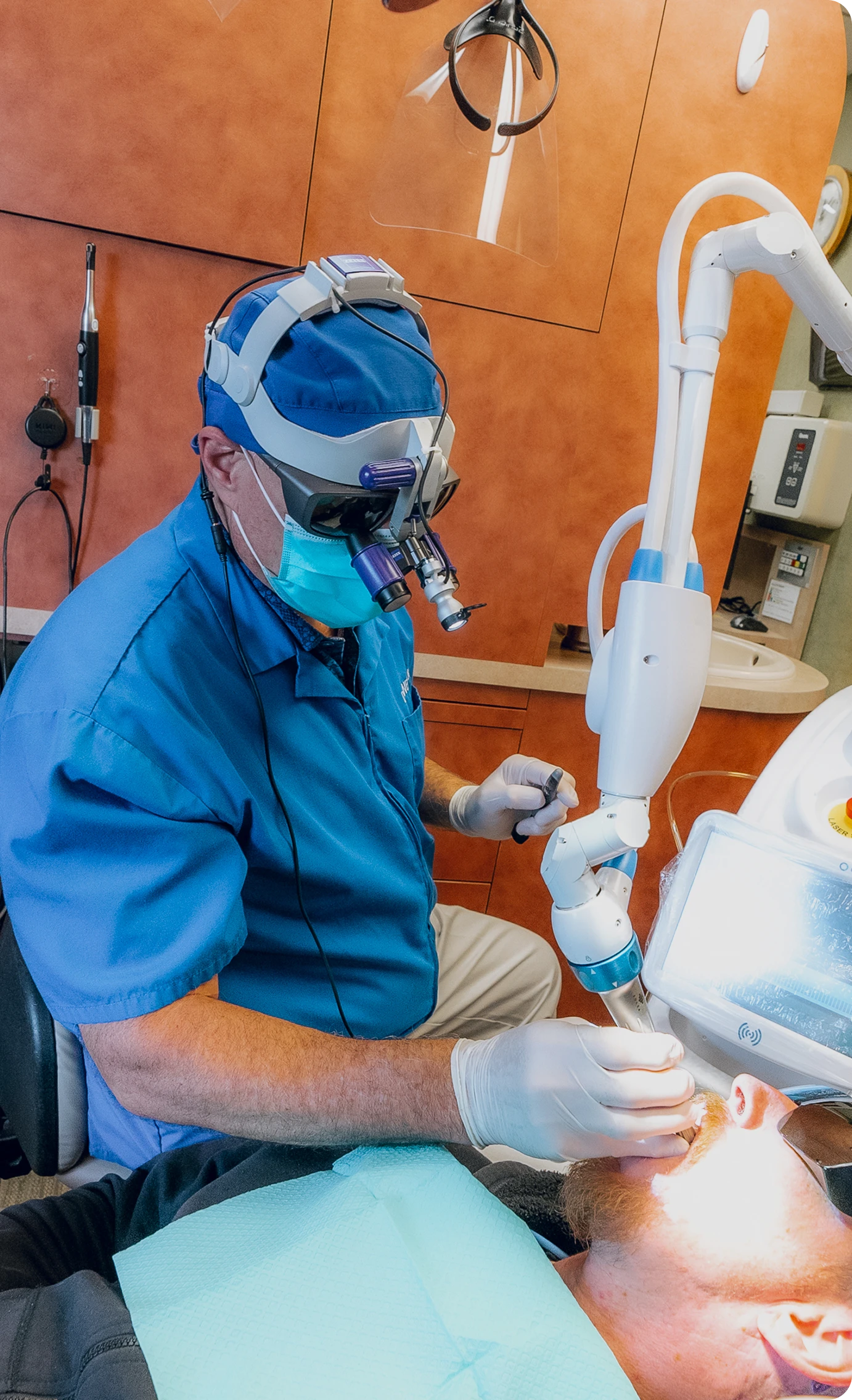
No Such Thing as a Simple Filling
The Detail Behind Every Restoration
Most dental offices treat a filling as a routine procedure. At Bay Area Dental, Dr. Weisman approaches every filling the same way he approaches every other procedure — with the same precision, the same care, and the same standard.
That means using a decay-indicator dye to confirm every trace of decay is removed before placing composite. It means taking the time to select the right shade and layering the material correctly. And it means photographing the tooth before, during, and after so you can see exactly what was done and why.
Comparing Your Options
Tooth-Colored Fillings vs. Silver Amalgam
Silver amalgam fillings have been used in dentistry for over 150 years. Composite tooth-colored fillings are now the standard of care for most patients. Here is why.
Tooth-Colored Composite Fillings
Matched to your natural tooth color and bonded directly to the tooth structure. Requires less removal of healthy tooth material. Contains no mercury. The result looks completely natural and strengthens the tooth rather than just filling the hole.
Silver Amalgam Fillings
Highly visible, contains mercury, and requires more healthy tooth structure to be removed for placement. Expands and contracts with temperature over time, which can cause small cracks in the surrounding tooth. Still used in some practices but largely replaced by composite.
How It Works
What Makes a Great Filling
The difference between an average filling and an exceptional one comes down to the steps taken before the composite is ever placed. Most of those steps are invisible to the patient — but they determine how the tooth holds up over the next decade.
At Bay Area Dental, every filling follows a meticulous protocol designed to get the best possible result for the long term.
- Decay-indicator dye confirms all decay is removed before filling
- Shade selected to match your natural tooth color precisely
- Composite layered and cured in stages for maximum strength
- Bite checked and adjusted before you leave the chair
- Before, during, and after photos taken for every case

What to Expect
The Filling Process at Bay Area Dental
Most tooth-colored fillings are completed in a single appointment. Here is exactly what happens.
Numbing
Local anesthetic is applied so you feel nothing during the procedure. Dr. Weisman takes time to ensure you are fully comfortable before starting.
Decay Removal
The decayed portion of the tooth is removed. A decay-indicator dye is applied to confirm every trace of decay is gone before the filling is placed.
Composite Placement
The tooth is prepared and the composite resin is applied in layers, each cured with a light. The shade is carefully matched to blend with your natural tooth.
Polish and Check
The filling is shaped, polished, and your bite is checked. Dr. Weisman photographs the completed restoration before you leave so you can see the final result.
Signs You May Need a Filling
When to Come In
Not all cavities are painful. Many are caught at routine checkups before symptoms appear. These are the most common signs that a tooth needs attention.
Tooth Sensitivity
Sensitivity to hot, cold, or sweet foods can signal decay reaching closer to the nerve. The earlier it is caught, the simpler the treatment.
Visible Dark Spots
Brown or black spots on the surface of a tooth are often early signs of decay. Catching these at this stage usually means a smaller, simpler filling.
Food Getting Stuck
If food consistently catches in the same spot between teeth, it may indicate a cavity forming at the contact point between two teeth.
Chipped or Cracked Tooth
A chip or crack in a tooth creates an entry point for bacteria. Composite can restore the shape and seal the tooth before decay sets in.
Old Silver Fillings
Silver amalgam fillings expand and contract over time, eventually cracking the tooth around them. Replacing old fillings with composite protects the tooth going forward.
No Symptoms at All
Many cavities have no symptoms until they are significant. This is why routine checkups matter. Dr. Weisman uses X-rays and visual examination to catch decay early, when treatment is simplest.
Common Questions
Tooth-Colored Fillings FAQ
Questions we hear most often from patients in Fremont, Newark, Hayward, Milpitas, Union City, Pleasanton, Dublin, and across the East Bay.
How long do tooth-colored fillings last?
Composite tooth-colored fillings typically last 7 to 10 years with proper care. Longevity depends on the size and location of the filling, your bite, and oral hygiene habits. Regular checkups allow Dr. Weisman to monitor existing fillings and catch any wear before it becomes a problem.
Do fillings hurt?
The procedure is done under local anesthetic so you should not feel pain during treatment. Some patients experience mild sensitivity for a few days after the filling is placed, which is normal and temporary. Dr. Weisman will explain what to expect at your appointment.
How long does a filling take?
A single tooth-colored filling typically takes 30 to 60 minutes depending on the size and location of the cavity. Multiple fillings can often be completed in the same appointment. Dr. Weisman will give you a clear time estimate before starting so you can plan accordingly.
Why does my tooth hurt after a filling?
Mild sensitivity after a filling is common and typically resolves within a few days to two weeks. If sensitivity persists beyond two weeks or worsens, contact the office. In some cases the bite needs a small adjustment or the filling may need to be evaluated further.
Can old silver fillings be replaced with tooth-colored ones?
Yes. Old amalgam fillings can be replaced with composite tooth-colored restorations for a more natural appearance. Dr. Weisman evaluates the existing filling and the surrounding tooth structure first to confirm replacement is appropriate before proceeding.
Are tooth-colored fillings as strong as silver ones?
Modern composite resin is extremely durable and suitable for most filling situations including back teeth. For very large restorations in high-pressure areas, Dr. Weisman may recommend a crown instead. He will always recommend the option that gives your tooth the best long-term outcome.
Serving patients needing tooth-colored fillings from Fremont, Newark, Union City, Hayward, Milpitas, Pleasanton, Dublin, and Castro Valley. Located at 43195 Mission Blvd #B4, Fremont, CA 94539.
Time for a Filling? Let Us Do It Right.
Schedule an appointment with Dr. Weisman at our Fremont, CA practice. Whether it is a new cavity or an old silver filling you want replaced, we will restore your tooth to its strongest, best-looking state.
Book an Appointment Call 510.651.8479