
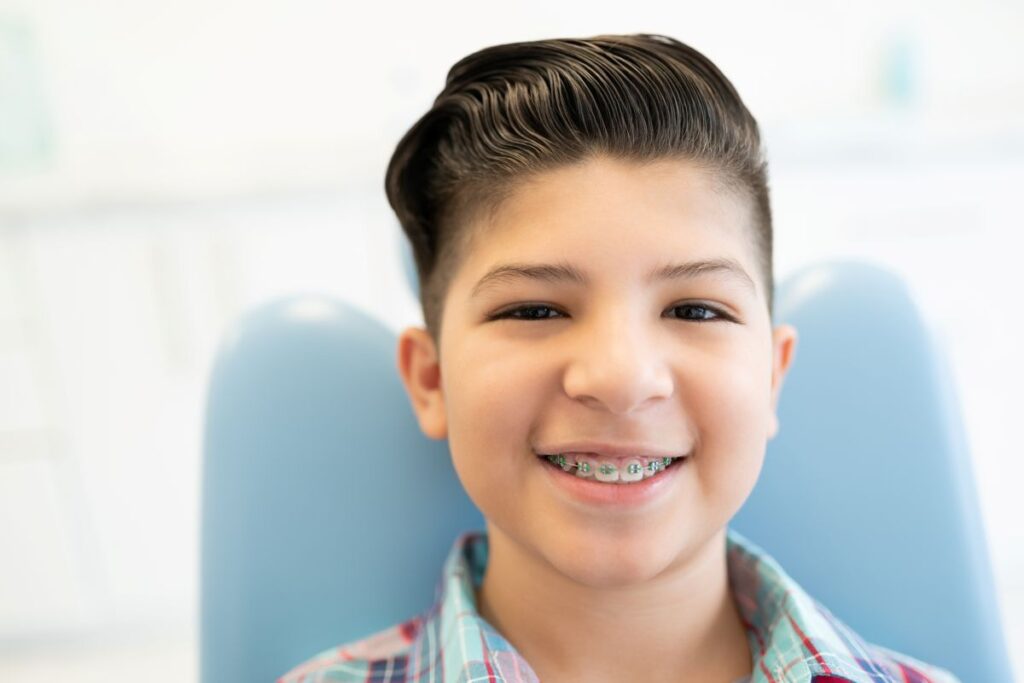
Many parents assume orthodontic treatment begins in the teenage years, once all permanent teeth have come in. In reality, an early orthodontic evaluation can play an important role in a child’s dental development, airway health, and long-term oral function.
At our Fremont office, families from Pleasanton, Livermore, Hayward, and Milpitas often ask when the right time is to bring their child in for an orthodontic evaluation. The answer depends less on age alone and more on how the teeth, jaws, and breathing patterns are developing.
What Is an Early Orthodontic Evaluation?
An early orthodontic evaluation looks beyond whether teeth appear straight. It focuses on how a child’s teeth fit together, how the jaws are growing, and whether development may impact function, comfort, or breathing.
If you’re new to orthodontic care, our overview of what orthodontics is explains how early evaluations fit into a broader orthodontic treatment approach.
What Age Should Children See an Orthodontist?
Many professional organizations recommend that children receive an orthodontic evaluation around age seven. At this stage, a mix of baby teeth and permanent teeth allows orthodontic providers to assess jaw growth, bite alignment, and spacing patterns more accurately.
An evaluation at this age does not always mean braces are needed right away. In many cases, it simply establishes a baseline and allows growth to be monitored over time so treatment can begin at the most appropriate moment if needed.
Why Age Seven Is Often Recommended
Age seven is an important milestone because certain developmental patterns become visible at this stage. Orthodontic providers can identify concerns such as narrow dental arches, bite imbalances, or jaw growth issues while the bones are still responsive to guidance.
Early identification allows families to:
- Monitor growth more effectively
- Address potential problems before they worsen
- Reduce the likelihood of more complex treatment later
This proactive approach focuses on guiding development rather than waiting for problems to fully form.
Signs a Child May Benefit From an Orthodontic Evaluation
Parents often seek orthodontic care after noticing signs that may suggest developmental or functional concerns. Common indicators include:
- Crowded or overlapping teeth at a young age
- Early loss of baby teeth or delayed eruption of permanent teeth
- Difficulty chewing or biting properly
- Mouth breathing during the day or night
- Snoring or noisy breathing while sleeping
- Jaw shifting, clicking, or discomfort
These signs may relate to how the jaws and airway are developing, making early evaluation especially valuable.
What Happens at a Child’s First Orthodontic Visit?
A child’s first orthodontic visit is typically comfortable and educational rather than invasive. The goal is to gather information and provide guidance, not to begin treatment immediately.
During an initial evaluation, the orthodontic team may:
- Review dental and medical history
- Examine tooth alignment and bite function
- Assess jaw growth and facial development
- Evaluate breathing patterns and airway considerations
- Determine whether treatment is needed now or later
Parents leave with a clearer understanding of their child’s development and what to expect moving forward.
Why Early Orthodontic Care Matters
Early orthodontic care focuses on guiding growth rather than correcting fully developed issues later. When concerns are identified early, treatment can often be simpler and more efficient.
Benefits of early evaluation may include:
- Improved jaw development
- Better spacing for permanent teeth
- Support for nasal breathing
- Reduced risk of severe crowding
- Improved bite function and comfort
To learn more about growth-focused care for children, visit our children page.
Orthodontics, Breathing, and Airway Development
Jaw size and position directly influence airway space. In some children, narrow arches or underdeveloped jaws may contribute to mouth breathing or disrupted sleep.
Airway-aware orthodontic evaluation considers how oral structures affect breathing patterns, both during the day and at night. In some cases, orthodontic care may be coordinated with other approaches that support healthy airway function.
You can learn more about this comprehensive approach on our orthodontics page.
Does an Early Evaluation Mean Braces Right Away?
Not necessarily. Many children benefit from monitoring rather than immediate treatment. An early evaluation simply ensures that growth is tracked and that treatment can begin at the right time if needed.
If braces are recommended later, understanding how treatment works can be helpful. Our guide on how braces work explains the process step by step for both children and adults.
Serving Families Across the East Bay
Our Fremont practice regularly serves families from Pleasanton, Livermore, Hayward, and Milpitas who are seeking orthodontic care that prioritizes healthy development, function, and long-term outcomes.
Frequently Asked Questions
What is the best age for a child to see an orthodontist?
Many children benefit from an orthodontic evaluation around age seven, when jaw growth and bite development can be assessed early.
Can early orthodontic treatment prevent braces later?
In some cases, early orthodontic care may reduce the complexity or duration of future treatment by guiding jaw development and spacing before problems worsen.
What if my child has no obvious dental problems?
Even if teeth appear straight, an evaluation can help identify hidden concerns related to jaw growth, bite alignment, or airway development.
Do you treat patients from Pleasanton, Livermore, Hayward, and Milpitas?
Yes. Our Fremont office welcomes families from across the East Bay for orthodontic and airway-focused dental care.
