
A tongue tie (medically called ankyloglossia) occurs when the tissue under the tongue is too short or tight, limiting movement. A lip tie forms when the upper lip connects too tightly to the gums. These tissues, called frenula, develop before birth; sometimes they don’t dissolve fully, creating a restriction.
Tongue and lip ties are more common than most parents realize—affecting up to 10 percent of infants—and can impact feeding, speech, breathing, and even jaw development later in life.
The tongue guides many essential functions: swallowing, speaking, and supporting a healthy airway. When its motion is limited, children may develop mouth-breathing habits or struggle to keep their tongue on the palate, which influences jaw growth and facial symmetry.
Left untreated, ties may contribute to:
Difficulty breastfeeding or bottle-feeding
Speech delays and articulation problems
Sleep-disordered breathing and snoring
Orthodontic crowding or relapse after braces
At Bay Area Dental, Airway & Sleep, we look beyond symptoms to understand how oral structures affect whole-body wellness.
If these patterns sound familiar, schedule a quick evaluation. Our team can confirm whether a tongue or lip tie may be the cause.
We perform precise laser releases that minimize bleeding, swelling, and healing time. The laser sterilizes as it works, reducing the risk of infection and often eliminating the need for stitches or anesthesia—especially in infants and young children.
Benefits of laser frenectomy
Virtually painless and quick
Minimal bleeding or swelling
Faster healing and low risk of reattachment
Immediate improvement in feeding or speech movement
Most babies can nurse right after treatment; older children and adults typically resume normal activity the same day.
A successful release is only part of the process. Myofunctional therapy trains the tongue and facial muscles to function correctly—improving swallowing, breathing, and speech patterns while preventing reattachment.
Our collaborative therapists provide pre- and post-release exercises to build strength and coordination, ensuring long-term stability.
👉 Discover more on our Myofunctional Therapy page.
From infancy through adulthood, we use detailed evaluations to identify ties and their impacts. Early detection often simplifies treatment, while adult patients benefit from thorough assessments that connect ties to their symptoms.
Addressing tongue and lip ties early can prevent a cascade of issues later. For babies, early treatment supports easier nursing and better sleep. For children, it can improve speech clarity, facial growth, and breathing patterns.
Even adults with undiagnosed ties often see significant improvements after treatment. They may experience reduced jaw pain, better posture, and more restful sleep.
Explore how airway restrictions affect rest and growth on our Sleep & Breathing page.
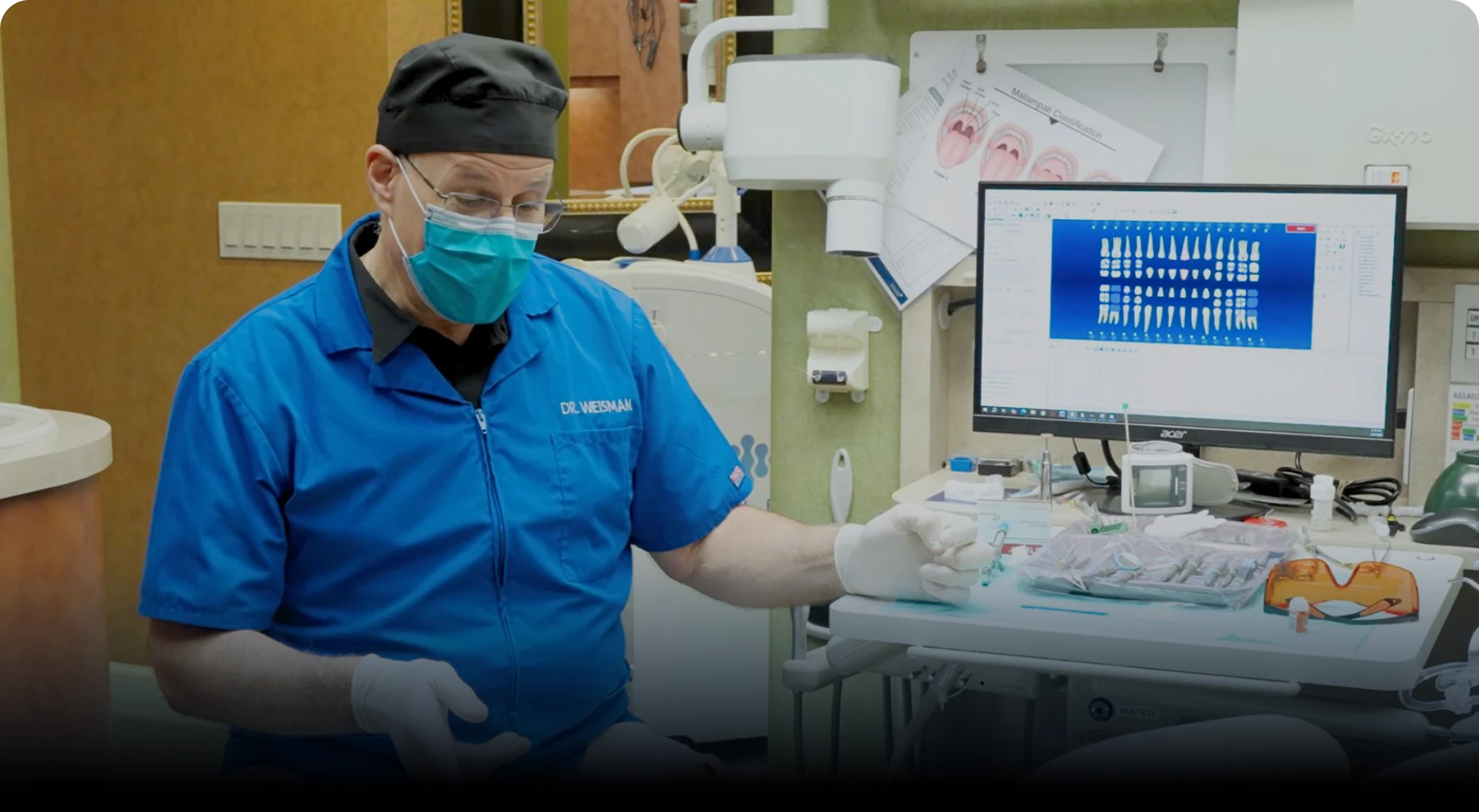
Our Fremont-based practice combines compassionate care with advanced airway-focused dentistry. Dr. Weisman and our team have specialized training in identifying oral restrictions and their connection to breathing and sleep. Families trust us for:
A gentle, laser-assisted approach for all ages
Collaborative care between dental, myofunctional, and airway specialists
Education-first philosophy — helping parents feel confident and informed
Support from infancy through adulthood
A tongue tie is a small band of tissue beneath the tongue that’s tighter or shorter than normal. This can limit how freely the tongue moves, making feeding, speech, and even breathing more difficult. When gently released with a laser, the tongue can move naturally again, supporting proper oral and airway function.
Sometimes you can see a thin string of tissue tethering the tongue to the floor of the mouth or pulling it downward when your child tries to lift it. Other times, the tie is hidden under the surface and not easy to spot without an exam. If you’re unsure, our airway-focused team can perform a quick, gentle evaluation.
Common signs include difficulty latching, prolonged feedings, clicking or leaking during nursing, or frustration at the breast or bottle. Babies may also fall asleep mid-feeding or sleep with their mouths open. A pediatric dentist or lactation consultant can confirm the diagnosis with a simple in-office assessment.