
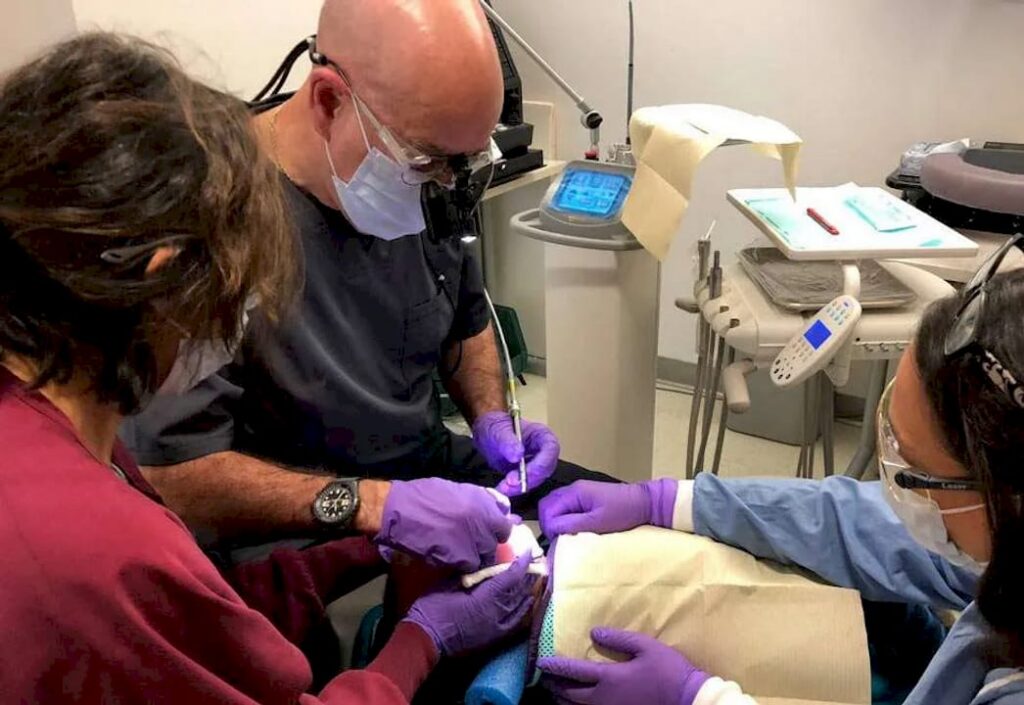
A traditional office frenectomy typically runs from the low hundreds up to around $750, while laser treatment often costs somewhat more, generally several hundred up to about $1,200 given its added precision and speed. Hospital procedures under general anesthesia push costs into the thousands, with some cases reaching $8,000 once anesthesia and facility fees are added. Insurance sometimes covers the procedure when a provider documents medical necessity, so checking your specific benefits before scheduling matters more than guessing at a number.
TL;DR:
Office frenectomy costs range from a few hundred dollars for traditional methods to about $1,200 for laser procedures, with hospital costs reaching up to $8,000 under anesthesia.
Provider type, anesthesia level, procedure complexity, patient age, and facility location significantly influence the final price, with regional costs also playing a role.
Insurance coverage varies; medical insurance often covers cases with documented functional issues like feeding or speech problems, requiring specific CPT and CDT codes.
Simple frenotomy is usually quick and performed without anesthesia for infants, while frenuloplasty and revisions cost more due to surgical complexity.
Using an HSA or FSA, obtaining detailed estimates, and coordinating with insurance before treatment can help lower out-of-pocket expenses.
Table of Contents
Frenectomy Cost Breakdown by Method and Setting
The price you pay depends almost entirely on where the procedure happens and what tool the provider uses. A quick office visit with a dental laser costs far less than the same release performed in an operating room with an anesthesiologist standing by.
Here’s how the typical ranges break down:
-
Traditional office frenectomy (scissors or scalpel): ranges around a few hundred dollars.
-
Laser frenectomy in-office: ranges generally from several hundred to about $1,200
-
Hospital or surgical center under general anesthesia: can climb to several thousand dollars, with reported cases near $8,000
The math behind that jump is simple: general anesthesia alone can add a facility fee, an anesthesiologist’s fee, and recovery-room monitoring on top of the surgeon’s charge. An office procedure skips nearly all of that overhead.
Marketplace tools like MDsave and individual practice fee schedules show similar spreads, but regional cost of living plays a real role. A frenectomy quote in a major metro area, including parts of the Bay Area, often sits at the higher end of these ranges compared to smaller markets, simply because overhead costs more everywhere in the transaction.
What Factors Actually Move the Price?
Ask five providers for a quote and you’ll likely get five different numbers. The variation isn’t random. It comes down to a handful of specific factors that either add fees or keep the visit simple.
-
Provider type and credentialing: A pediatric dentist, oral surgeon, ENT, or general dentist may all perform the same release, but specialists in high-demand fields often charge more per visit.
-
Anesthesia level: Local anesthesia (or none, for a young infant) keeps costs low; sedation or general anesthesia adds a separate professional fee plus monitoring time.
-
Procedure complexity: A simple frenotomy snip costs less than a frenuloplasty with sutures, and a revision after a failed first release adds another full fee.
-
Patient age: Infants often need no anesthesia at all for a lip or tongue tie release, while older children and adults frequently need sedation because they can’t stay still.
-
Facility and location: A hospital outpatient department bills a facility fee that an in-office visit never generates, and that single line item can double the total.
-
Bundled evaluations: Some practices fold in an airway screening or 3D imaging as part of the visit, which raises the sticker price but can reduce the number of separate follow-up appointments.
Ask directly whether the quote includes anesthesia, facility charges, and any imaging, because a low headline number sometimes hides these costs in a separate line you won’t see until the bill arrives.
Does Insurance Cover a Frenectomy?
Coverage depends heavily on which type of insurance you have and how the claim is coded. Dental plans sometimes cover a frenectomy as an oral surgery benefit, but medical insurance, including Medicaid and CHIP in many states, is often the more reliable path when the tie causes a documented functional problem like poor feeding, speech delay, or airway obstruction.
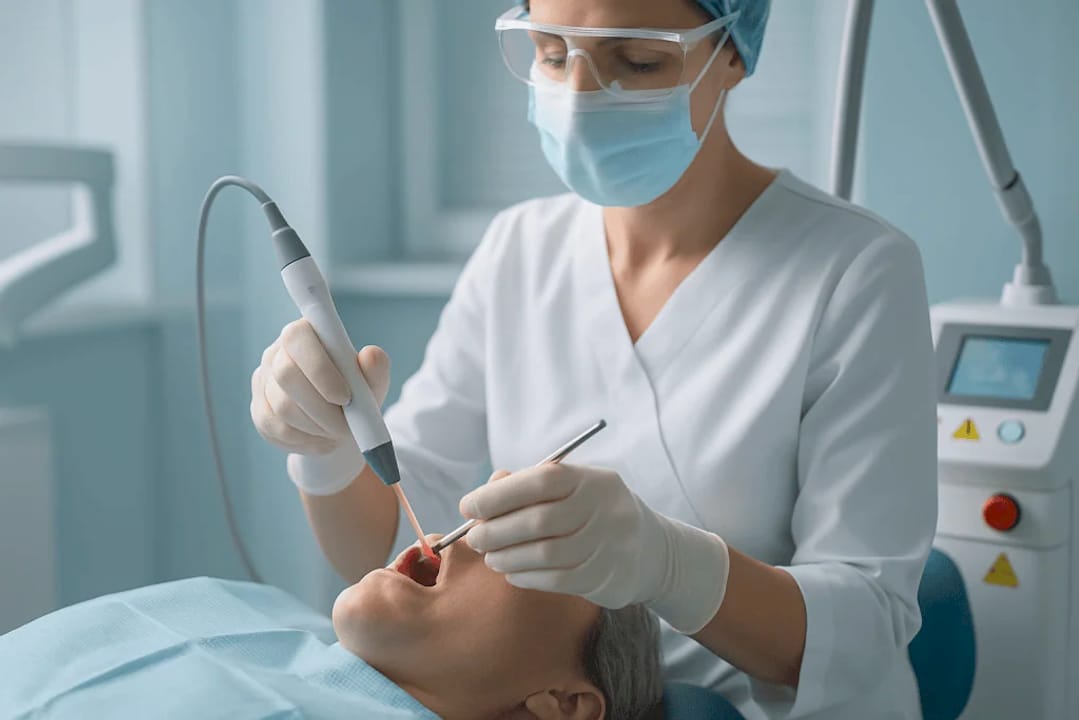
Billing codes matter here more than most people realize. Providers typically reference CPT codes such as 40806, 40819, 41010, and 41115, along with CDT codes D7961 through D7963, when submitting claims. Aetna’s clinical policy spells out exactly which codes apply and ties approval to documented medical necessity rather than cosmetic preference.
To strengthen your claim before treatment, gather:
-
Feeding logs or a lactation consultant’s written assessment for infants
-
Speech therapy evaluations for older children with articulation issues
-
An airway or sleep evaluation if snoring, mouth breathing, or sleep-disordered breathing is part of the picture
-
A referral letter from a pediatrician or physician stating the functional concern
Humana notes that insurers focus on functional impairment, not appearance, when reviewing these claims. If your insurer denies the initial request, ask your provider’s billing office to file a formal appeal with the supporting documentation attached. Many denials get reversed once a physician’s note clearly ties the tie to feeding or speech problems.
Frenotomy vs. Frenectomy vs. Frenuloplasty: What’s the Difference?
These three terms get used interchangeably online, but they describe different procedures with different price tags.
-
Frenotomy: A simple snip of the frenulum, most common for infants, often done with no anesthesia in a quick office visit.
-
Frenectomy: Removal of the frenulum tissue rather than just a cut, used for older children and adults, sometimes requiring local anesthesia.
-
Frenuloplasty: A more involved surgical revision, often including sutures or a Z-plasty technique, used when scarring or a thick tie needs reshaping rather than a simple release.
Laser tools generally cost more per visit than a scalpel or scissors, but dental practices report less bleeding and faster healing with laser methods. That speed matters because revisions add a second procedure fee. A frenuloplasty with stitches naturally costs more than a straightforward frenotomy snip, given the added surgical time and follow-up care it usually requires.
Recovery Timeline and What It Means for Your Wallet
Most patients feel normal within a few days, and the direct discomfort is usually mild.
-
First 24 hours: Mild soreness is common; infants may fuss during feeding, and older patients can manage pain with over-the-counter medication.
-
Days 2 to 7: Stretching exercises (if prescribed) help prevent the tissue from reattaching as it heals.
-
One to two weeks: A follow-up visit checks healing and may introduce myofunctional therapy if tongue function still needs work.
-
Warning signs: Fever, excessive bleeding, or worsening pain after the first day warrant a call to your provider.
Cleveland Clinic’s patient guide confirms that recovery is typically brief, but plan for the indirect cost of missed work or school. Laser procedures tend to shorten this window, which can matter as much to your budget as the procedure fee itself.
Smart Ways to Lower Your Out-of-Pocket Cost
A frenectomy usually qualifies as an eligible medical expense under IRS rules for HSA and FSA accounts, since it treats a functional issue rather than a cosmetic one. Check your plan documents, but this is often one of the easiest ways to cover the bill with pretax dollars.
-
Ask for an itemized estimate that separates the surgeon’s fee, facility charge, and anesthesia cost.
-
Request predetermination from your insurer before the procedure, not after.
-
Compare quotes across two or three providers if your case isn’t urgent.
-
Ask about payment plans or medical financing if insurance denies the claim.
Pro Tip: Call your insurer’s benefits line before booking and ask specifically whether frenectomy is covered under your medical plan versus your dental plan. That single call often reveals which set of billing codes will actually get paid.
How an Airway-First Practice Approaches Frenectomy Care
Bay Area Dental, Airway & Sleep evaluates a tongue or lip tie as part of a bigger picture rather than an isolated snip. The practice’s focus on airway therapies and myofunctional therapy means a release is often paired with an assessment of how the tie affects breathing, feeding, or sleep, not just appearance.
-
3D imaging and airway evaluation help document the functional problem insurers want to see before approving a claim.
-
Laser treatment options aim to reduce bleeding and shorten recovery for patients who qualify.
-
The practice’s accessibility work, including tailored communication for Deaf patients, extends the same evaluation standard to underserved families across Fremont and the wider Bay Area.
Office Release or Operating Room: Our Take
Office-based laser release is usually the right first move for infants and most children. It’s faster, cheaper, and avoids anesthesia risk entirely. General anesthesia earns its place only when scarring, anxiety, or a failed prior release makes an awake procedure impractical. Families juggling insurance denials or upfront costs deserve a provider who explains financing options plainly, not after the fact.
— Admin
Get a Frenectomy Cost Estimate That Fits Your Situation
Bay Area Dental, Airway & Sleep gives you something a generic online price list can’t: a real evaluation that turns a rough cost range into an actual number, backed by documentation your insurer will actually accept.
An initial evaluation typically includes a review of feeding or speech concerns, an airway screening, and a look at whether laser release fits your case. Bring your insurance card, any prior evaluations from a pediatrician or lactation consultant, and notes from a speech therapist if you have them. That paperwork speeds up prior authorization and gives your claim a stronger shot at approval. If insurance falls short, ask about financing options during your visit. Schedule an evaluation to get a personalized estimate instead of guessing at a national average.
Where to Verify These Numbers Yourself
For coding and coverage criteria, review Aetna’s clinical policy bulletin. For procedure basics, see Cleveland Clinic’s frenotomy guide. For outcomes data, PubMed’s clinical literature offers further reading.
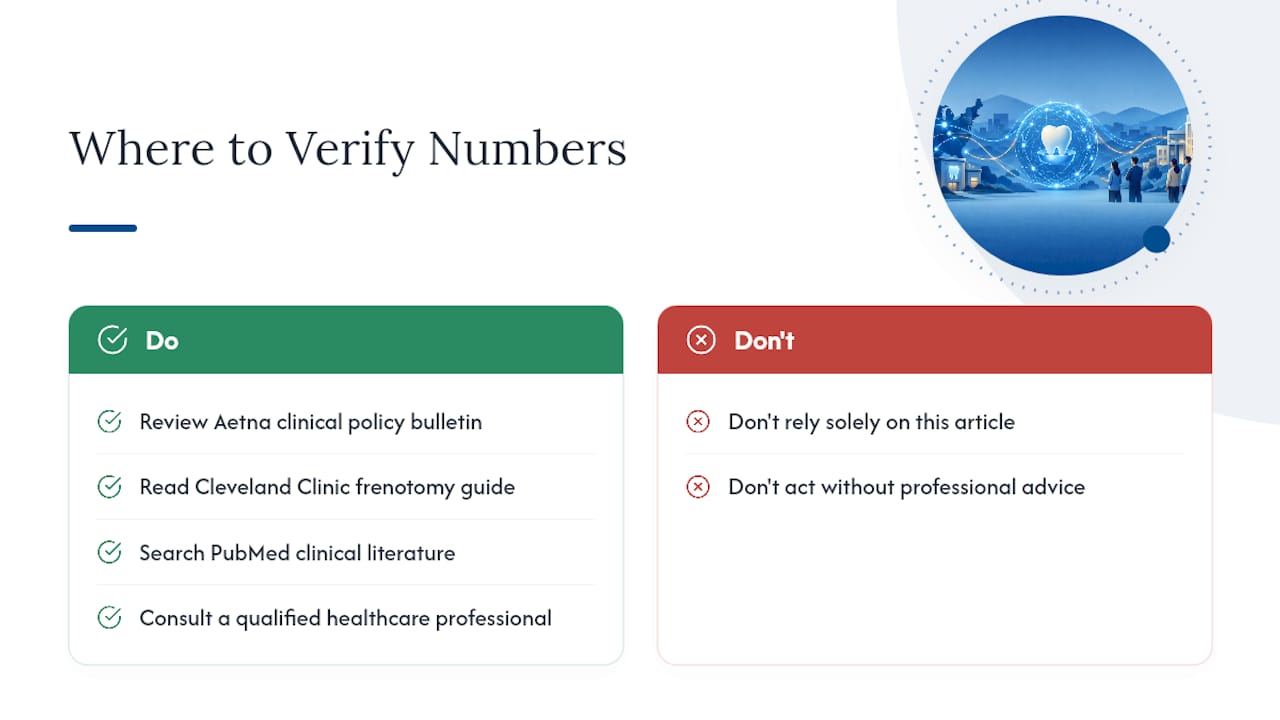
This article is general information, not a substitute for advice from a qualified doctor. Consult a qualified healthcare professional about your own circumstances before acting on anything here.