
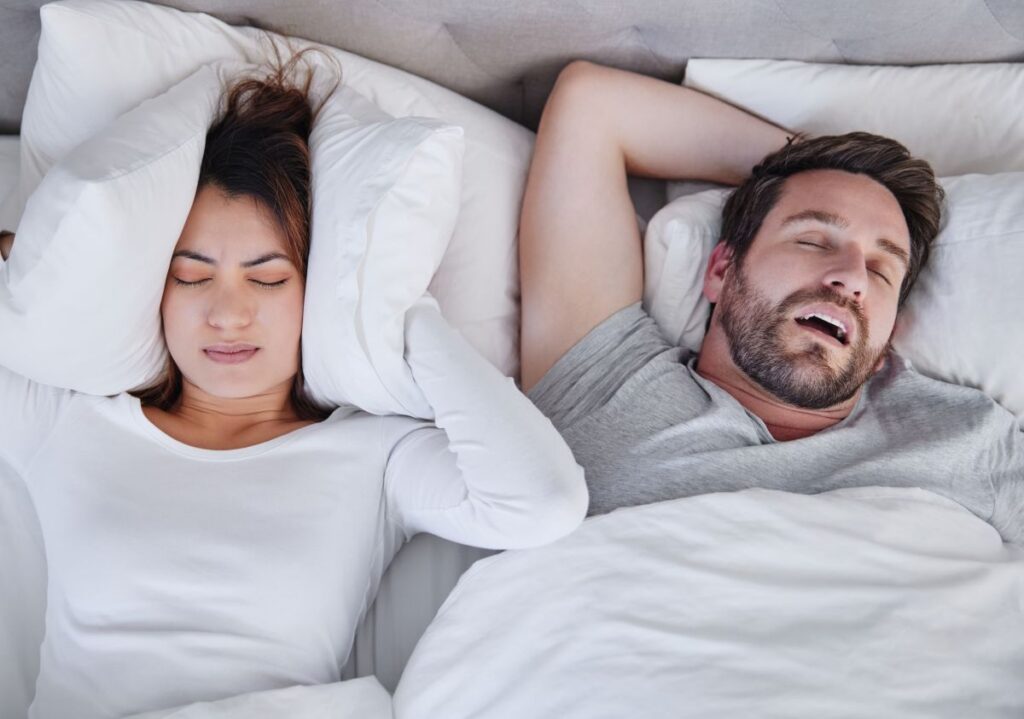
Most people think of sleep apnea as a bedroom problem. You snore, you wake up exhausted, your partner loses sleep too. But here’s what most people — and even many doctors — don’t realize: sleep apnea leaves behind a trail of damage in your mouth that a trained dentist can identify long before a formal diagnosis is ever made.
At Bay Area Dental Airway & Sleep in Fremont, CA, Dr. Jonathan Weisman has built his entire practice around this connection. Patients come to us from Fremont, Hayward, Union City, Newark, Milpitas, and San Jose — many of them having seen multiple doctors without anyone connecting their jaw pain, worn teeth, or chronic fatigue to a breathing disorder happening while they sleep.
This post breaks down exactly what sleep apnea does to your oral health, what the warning signs look like, and what a dentist specializing in airway and sleep dentistry can do to help.
What Happens in Your Mouth When You Have Sleep Apnea
Obstructive sleep apnea (OSA) occurs when the soft tissues at the back of your throat collapse during sleep, blocking your airway. Your brain registers the drop in oxygen and jolts you awake — briefly, and usually without you remembering it — to restore breathing. This can happen dozens or even hundreds of times per night.
Each time it happens, your body is under stress. Your jaw clenches. Your mouth falls open. Your saliva dries up. Your nervous system spikes. And over months and years, all of that takes a measurable toll on your teeth, gums, and jaw — whether you know you have sleep apnea or not.
5 Ways Sleep Apnea Damages Your Oral Health
1. Teeth Grinding and Worn Enamel (Bruxism)
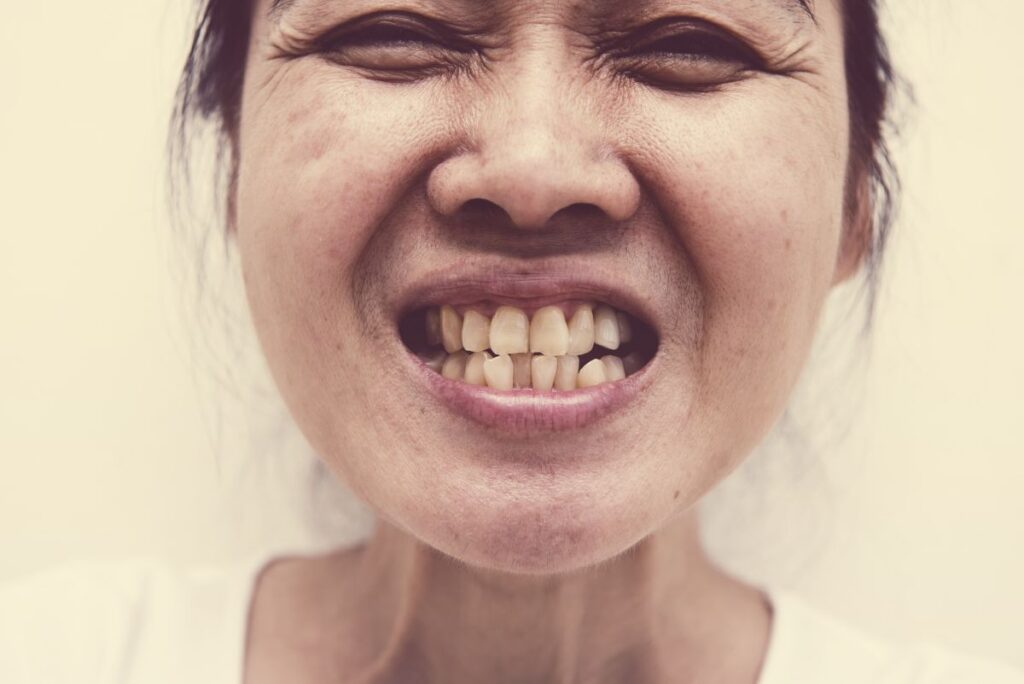
Bruxism — grinding or clenching your teeth during sleep — is one of the most well-documented side effects of sleep apnea. When your airway becomes obstructed, your jaw instinctively tightens in an attempt to reopen it. Night after night, this grinding wears down enamel, flattens cusps, and can crack or fracture teeth that would otherwise last a lifetime.
If Dr. Weisman notices significant tooth wear during your exam, sleep apnea is near the top of the differential. Treating the grinding without addressing the underlying airway issue is like mopping the floor without turning off the tap.
2. Chronic Dry Mouth and Accelerated Decay
Mouth breathing — which almost always accompanies sleep apnea — strips your mouth of saliva while you sleep. Saliva isn’t just moisture; it’s your mouth’s primary defense system. It neutralizes acids, remineralizes enamel, and controls the bacterial balance in your mouth. Without it, decay accelerates, gum tissue becomes irritated, and bad breath becomes chronic.
Patients who wake up with a dry, sticky mouth or sore throat every morning should mention it at their next dental visit. It’s a red flag that often gets dismissed but rarely happens without a reason.
3. Gum Disease
Sleep apnea triggers systemic inflammation throughout the body — and your gums are not immune. Research has found a significant association between obstructive sleep apnea and periodontal disease. Mouth breathing compounds the issue by drying out gum tissue and disrupting the healthy microbial environment your gums depend on. Left unaddressed, gum disease progresses to bone loss and, eventually, tooth loss.
4. TMJ Pain and Jaw Problems
Every clenching episode puts strain on the temporomandibular joint — the hinge that connects your lower jaw to your skull. Patients with untreated sleep apnea frequently develop jaw soreness, clicking or popping when they open their mouth, difficulty chewing, and persistent facial pain. TMJ dysfunction is often treated in isolation when sleep apnea is the real driver.
5. Visible Airway Markers Your Dentist Can Spot
A dentist trained in airway assessment looks for physical signs that the average provider walks right past. A scalloped tongue — indentations along the edges where the tongue presses against the teeth during sleep — is one of the most reliable early indicators. Enlarged tonsils, a low soft palate, and a narrow dental arch are others.
At our Fremont office, Dr. Weisman uses CBCT 3D imaging to get a precise, three-dimensional view of the airway, jaw, and surrounding structures. This level of diagnostic detail is rare in a dental setting and allows us to see exactly where obstruction is occurring — before a patient ever sets foot in a sleep lab.
The Signs of Sleep Apnea Your Dentist Is Looking For
You don’t need to have been diagnosed with sleep apnea for your dentist to raise the concern. The signs of sleep apnea that show up during a routine dental exam include:
- Worn, flattened, or cracked teeth with no obvious cause
- Scalloped tongue edges
- Redness or inflammation at the back of the throat
- Enlarged tonsils or uvula
- A narrow, high-arched palate
- Receding gums or accelerated bone loss disproportionate to your hygiene habits
- A retruded (set-back) lower jaw
Combined with your reported symptoms — snoring, morning headaches, daytime fatigue, waking gasping — these findings give Dr. Weisman a detailed picture of what’s happening while you sleep.
What a Dentist Can Do About Sleep Apnea
This is where dentistry offers something genuinely valuable that most patients don’t know exists.
Oral Appliance Therapy — The CPAP Alternative
CPAP is the gold-standard treatment for sleep apnea and works well — for patients who actually wear it. The reality is that CPAP compliance is notoriously poor. Many patients find the mask uncomfortable, the machine noisy, and travel with it a hassle. A significant number abandon it within the first year.
Oral appliance therapy offers a clinically proven alternative for mild to moderate sleep apnea. Dr. Weisman custom-fits a small, discreet mouthpiece you wear during sleep. It works by gently advancing the lower jaw — just enough to prevent the soft tissue collapse that causes apnea events. It’s quiet, portable, easy to clean, and most patients adapt to it within a couple of weeks.
For patients with severe sleep apnea, oral appliances can also be used in combination with CPAP, often allowing the CPAP pressure to be reduced significantly. Dr. Weisman works directly with your sleep physician to ensure your treatment plan is coordinated and monitored properly.
Airway-Focused Care Beyond the Appliance
Depending on the root cause of your airway issues, Dr. Weisman may also discuss myofunctional therapy — exercises that retrain the tongue and oral muscles to support proper breathing — or Sleep & Breathing treatment as part of a broader airway health plan. For patients whose airway issues are connected to jaw structure or bite, airway-focused orthodontics may also be part of the conversation.
This integrated approach is what sets our Fremont practice apart from both traditional dental offices and general sleep medicine clinics. We look at the whole picture.
Is This Relevant to You? Ask Yourself These Questions
- Do you snore, or has a partner told you that you stop breathing during sleep?
- Do you wake up with a dry mouth, sore jaw, or headache most mornings?
- Have you been told your teeth are worn down or that you grind at night?
- Do you feel unrested even after 7–8 hours of sleep?
- Do you experience daytime fatigue, difficulty concentrating, or mood changes?
- Have you been diagnosed with high blood pressure or acid reflux without a clear cause?
If you answered yes to two or more of these, it’s worth having a conversation. You don’t need a sleep study referral to start — a dental airway evaluation is a logical, low-barrier first step.
Serving Fremont and the East Bay
Bay Area Dental Airway & Sleep offers comprehensive dentistry in Fremont with a specialty focus on airway health and sleep-disordered breathing. We see patients from across the East Bay — including Hayward, Union City, Newark, Milpitas, Pleasanton, and San Jose — who are looking for a dentist who takes these issues seriously.
If you suspect sleep apnea is affecting your health, your sleep, or your teeth, we’d love to help you figure out what’s going on. Contact our Fremont office to schedule an airway evaluation with Dr. Weisman, or call us directly at 510.651.8479. We’re open Monday through Thursday, 8:00 AM to 4:00 PM.